
Evaluate optical coating durability by checking adhesion, abrasion resistance, compatibility with the intended cleaning method, and resistance to the operating environment. Then confirm that the coated component still meets its agreed optical and surface requirements after testing. A useful durability claim identifies the test method, conditions, sample and acceptance criteria.
A low-reflection coating can meet its spectral specification when new, yet need separate evidence for repeated cleaning or exposure to humidity. The practical question is what the optic must withstand in your equipment, and what evidence supports that requirement.
Start With the Component’s Exposure
A lens inside a sealed instrument and an exposed camera window have different maintenance and environmental demands. Before comparing coatings, establish whether the surface is accessible, how it will be cleaned, and the temperatures and moisture conditions it will encounter during use and storage.
| Application | Questions that guide the evaluation |
|---|---|
| Frequently cleaned industrial camera window | Which cleaning fluid, wiping material and cleaning frequency must the coating tolerate? |
| Lens or filter inside an enclosed instrument | What temperature and humidity conditions apply during operation and storage? |
| Exposed outdoor window | Will the surface encounter condensation, temperature changes, salt or abrasive particles? |
| Optic in a processing laser | What environmental and cleaning requirements apply, and what separate laser damage evidence is needed? |
These examples help identify relevant tests; they are not a universal test schedule. ISO 9211-3:2024 addresses environmental durability through categories of use and tests selected to represent the exposure of optical elements in their operating environment.
Separate Adhesion, Abrasion and Cleaning Compatibility
Adhesion concerns whether the coating remains attached under a specified test. A satisfactory adhesion result answers that particular question. Resistance to rubbing, moisture and laser exposure requires its own evaluation.
Abrasion resistance concerns damage from a defined rubbing procedure. When comparing results, check the contact material, applied load, movement and number of strokes or cycles. The words “abrasion tested” leave too much unresolved to support a meaningful comparison. ISO 9211-4:2022 covers specific methods for abrasion, adhesion and resistance to water.
Cleaning compatibility connects the coating to the equipment’s maintenance procedure. Confirm the permitted cleaning agents, contact time, wiping materials and method with the component supplier. Passing an abrasion test does not establish compatibility with every solvent or cleaning process.
For a window that will be cleaned regularly, discuss that maintenance requirement before choosing the coating. Improvised rubbing or tape tests on finished parts can damage the surface and do not replace an agreed test procedure.
Read the Conditions Behind an Environmental Test
A humidity result needs the temperature, relative humidity, exposure time and any condensation conditions. A temperature-cycle result needs the temperature limits, dwell times and cycle count. Where the procedure specifies recovery or conditioning before inspection, that timing also belongs in the comparison.
Salt spray, immersion and other exposures should follow the intended application. An outdoor coastal window may need salt-related evaluation, while an internal optic in a dry enclosure may have different priorities. Adding unrelated tests can complicate purchasing without resolving the actual operating risk.
For example, an Edmund Optics high-durability AR window lists abrasion, adhesion, humidity, temperature and salt-related specifications separately. Those published results apply to the identified product and conditions. They should not be transferred to another coating or substrate simply because both products are described as durable.
Agree on What Must Remain Acceptable After Testing
Define acceptance criteria before the durability test begins. Depending on the application, the criteria may address peeling, scratches, haze or other surface changes, together with transmission, reflection or filtering performance over the working wavelengths.
Visual inspection and optical measurement answer different questions. A surface can look unchanged without that observation proving its spectral performance. A component may also remain within a transmission limit while surface damage exceeds the agreed allowance.
Compare measurements before and after testing under consistent conditions, including wavelength, angle of incidence and polarization. For an AR coating, check the specified reflection or transmission limits. For a filter, the passband, edge position or blocking performance may be relevant. Our guide to reading an AR coating curve explains the optical conditions behind those measurements.
Keep the acceptance limits tied to the equipment’s needs. A statement such as “no unacceptable change” becomes useful only when the parties have defined the change, the inspection method and the allowable limit.
Make Sure the Test Report Covers the Part You Are Buying
A report should identify the coating and substrate tested, the relevant coated surface, and the sample’s condition. It should also identify the test standard and edition, method or severity where applicable, and the result against the agreed criteria. A broad statement that a coating “meets a military standard” needs that supporting detail.
Some tests use a witness sample: a sample coated alongside production parts for measurement or testing. SCHOTT’s optical protective window brochure, for example, identifies environmental tests performed on a witness sample coated in the same batch.
A witness sample can provide useful coating evidence. Confirm how it represents the delivered component, particularly when the finished part has a different substrate, geometry or mounting arrangement. Requirements for the assembled window, its edges or its seal may need evaluation beyond the coating sample.
Also distinguish design qualification from batch acceptance. A coating design may have completed a qualification program without every shipment undergoing the same tests. Agree which records accompany the order and which checks apply to each batch. Substrate identification matters here; our overview of coating glass, plastic and metal components discusses that part of the project review.
Evaluate Laser Damage and Service Life Separately
For laser optics, mechanical and environmental durability results cannot establish a laser-induced damage threshold (LIDT). Laser damage depends on conditions such as wavelength, pulse duration, repetition rate, beam diameter and beam profile, as well as the substrate and coating. Edmund Optics’ laser damage guidance explains these dependencies. Match the evidence to the intended continuous-wave or pulsed operating conditions.
A passed durability test also does not directly establish a service life in years or a permitted number of cleanings. A lifetime claim needs evidence connecting the test exposure to actual use, including maintenance and the surrounding environment.
Discussing Durability Requirements With Likai Laser
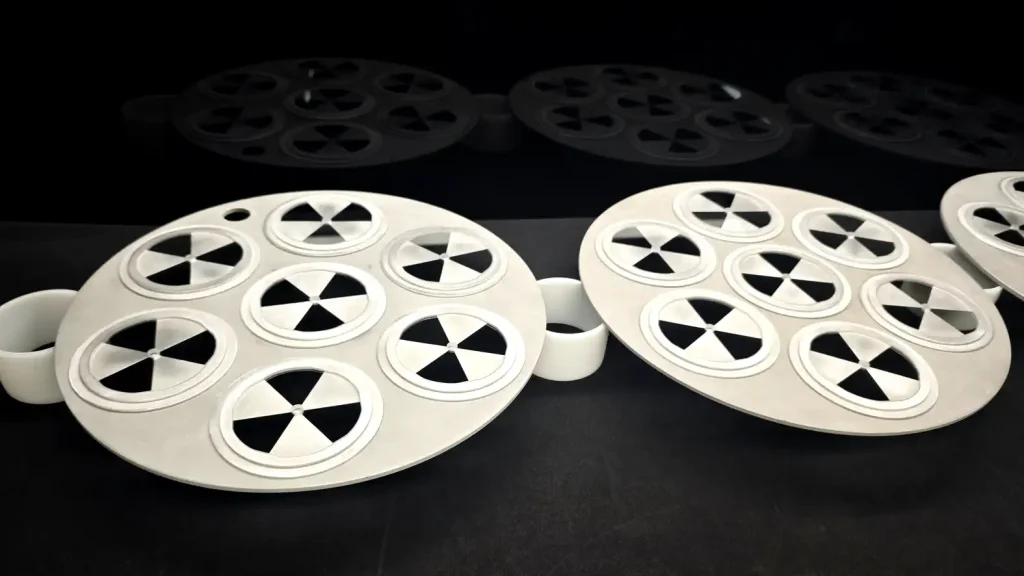
Likai Laser supplies standard optical products and supports custom optical manufacturing and coating projects. The featured photograph shows custom-shaped coated components as product examples. Specific durability ratings and test results must be established for the relevant component and specification.
When discussing a coated optical component, describe its working environment and expected cleaning alongside its optical function. Identify any required durability tests and acceptance limits so the project review can establish feasibility and what supporting evidence can be provided.