
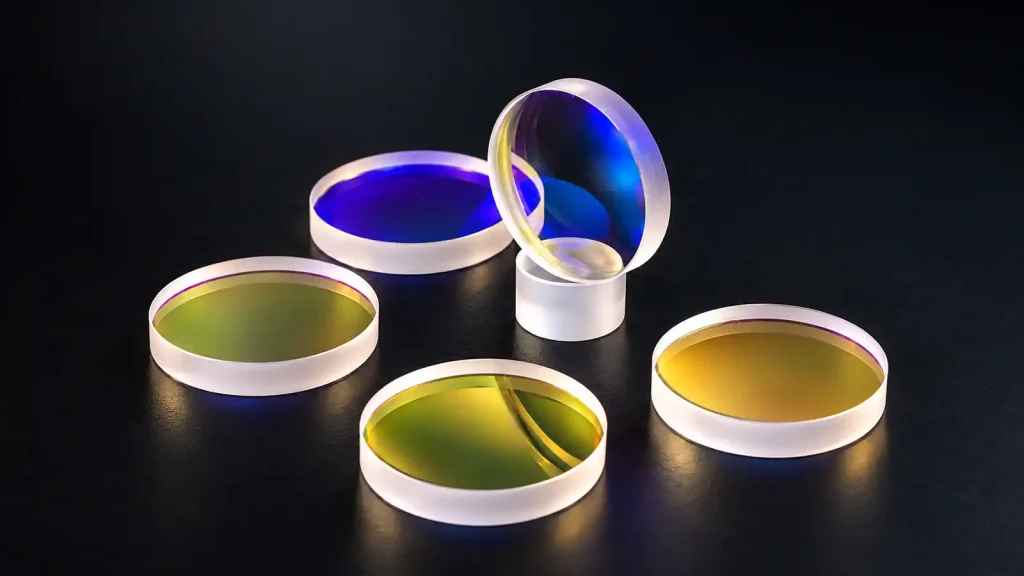
A physical sample can be a useful starting point for a custom optical component inquiry when a complete drawing is unavailable. Manufacturing may be possible after the requirements and feasibility are confirmed. The sample alone does not guarantee that every original dimension, material, coating or optical requirement can be recovered.
Likai Laser evaluates custom optical lens and other optical component requirements from drawings, samples or specifications. If you need a custom optical component from a sample, send the information already available and identify what is missing. The first task is to establish what the replacement must do, rather than assume that matching its appearance will reproduce its performance.
What Can a Physical Sample Tell Us?
A sample helps communicate the part’s overall shape, visible features, general configuration and condition. Depending on the component and suitable evaluation methods, dimensions and mechanical interfaces may be assessed. Photographs can show which faces, edges or mounting features need closer review, while information about the mating parts explains why those features matter.
For a replacement lens held in an existing mount, for example, the sample can help explain the outline and how it sits in the assembly. That does not establish the allowed dimensional variation, the required optical performance or the original coating specification. Those are separate requirements.
State whether the sample is new, used, worn or damaged. A chipped edge, scratched surface or altered mounting feature may describe the part’s current condition rather than its intended design. Identify which features must remain unchanged and which represent a problem you want to correct.
What a Sample Cannot Confirm by Itself
Measurements of one specimen are not the same as the original design tolerances. A measured dimension describes that specimen; a tolerance defines the permitted variation for manufactured parts. Even a sample that fits the existing assembly does not, by itself, define the acceptance limits for the next batch.
The following requirements should not be treated as known simply because a physical sample is available:
- Optical performance: operating wavelength, transmission or reflection targets and laser-induced damage threshold (LIDT), where relevant.
- Material and coating: exact material grade, coating design, layer thickness or proprietary coating formulas. Visible coating color is not a complete coating specification.
- Surface and acceptance requirements: surface quality, flatness, dimensional tolerances and the original criteria used to accept or reject parts.
- Manufacturing background: the original production route, processing history or changes made during earlier use.
Appropriate measurement or testing may help answer selected questions, but its scope and limitations need review. Do not assume Likai Laser can identify every unknown property from a sample. If a missing requirement affects function, fit, optical performance, coating, inspection or acceptance, it needs clarification before production is agreed.
What to Send With the Inquiry
You do not need to invent missing specifications to make an initial inquiry. Group the available information into a short brief:
- Reference part: clear photos, sample availability and any part reference, drawing or document, even if incomplete. Identify the document revision.
- Known requirements: available dimensions, material information, optical specifications and coating requirements. Mark each unknown explicitly.
- Application and fit: the component’s role, relevant equipment or assembly information, mating features and any critical features that must stay unchanged.
- Condition and acceptance: whether the sample has been used or damaged, known problems, and required inspection, appearance or documentation criteria.
- Purchasing scope: estimated quantity, whether an initial sample batch is requested, and expected repeat demand. Distinguish a forecast from the immediate order.
For example, “the sample fits our current holder; material and coating specifications are unknown” is more useful than assigning a material or coating from its appearance. If you want a design change rather than a like-for-like replacement, mark that change separately.
How a Sample-Based Inquiry Is Evaluated
Depending on the component and available information, an inquiry may move from initial technical review to identifying missing critical details, dimensional or physical assessment where appropriate, and manufacturing and coating feasibility review. Confirmed requirements then provide the basis for a quotation and any sampling or production planning.
Some questions must be answered before a meaningful quotation is possible. Other projects may need further evaluation or a proposed sample for approval. Agree on the evaluation scope and how a proposed component would be accepted; the sequence can vary and is not a guarantee that every sample can be reproduced.
A sample also does not automatically make the requirement custom. An existing product may be suitable if its confirmed specification meets the application. The guide to standard and custom optical lenses explains that purchasing decision.
When Is a Drawing Still Necessary?
An initial conversation can begin without a complete engineering drawing. Before manufacture, however, both parties need an agreed reference for the supplied component. Depending on its complexity, this may require a drawing, a written specification or both. The necessary format should be established during review.
A drawing becomes particularly useful when several features must fit together, surfaces need clear identification, or the sample and existing documents disagree. The agreed reference should distinguish measured sample information from confirmed production requirements and define the applicable inspection and acceptance criteria. Retain its revision for repeat orders.
Once requirements are confirmed, the optical lens manufacturing process overview explains the possible processing stages. Those stages depend on the component and scope of supply; an inquiry does not need to specify every operation in advance.
Discuss Your Sample-Based Optical Requirement
Likai Laser supports standard optical products and evaluates custom optical manufacturing and coating requirements. A physical sample and an honest account of the available information can provide a starting point for technical review.
Begin through the Contact page with the component’s purpose, sample condition, known requirements and estimated quantity. Detailed drawings, photos and specifications can follow by email. Before shipping a physical sample, agree on shipping and handling arrangements, the proposed evaluation and whether the sample needs to be returned.