
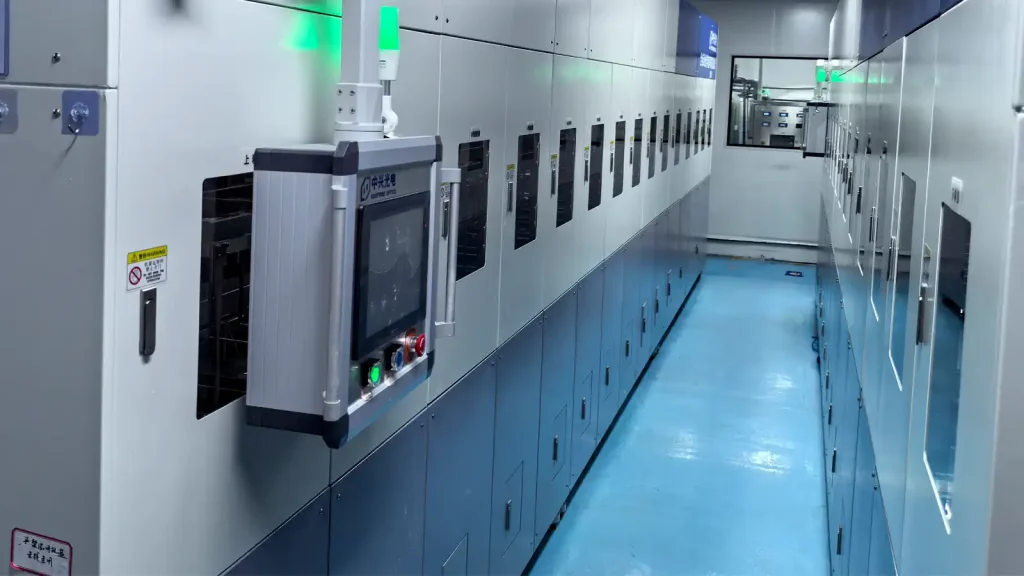
The optical lens manufacturing process may include raw material preparation, initial shaping, grinding and polishing, cleaning, coating and inspection before shipment. The production route depends on the material, lens geometry, optical requirements, coating specification, quantity and application. A standard lens made to an established specification may follow a familiar route; a custom component needs its requirements reviewed before that route can be agreed.
For a buyer, the useful question is how each stage supports the finished part. A lens can have the requested outline but still need further surface preparation, cleaning or coating. Inspection also needs a clear reference: the drawing, specification or other requirements agreed for the order. Likai Laser supports standard optical products and evaluates custom lens manufacturing and coating work from the information a customer can provide.
What Does the Optical Lens Manufacturing Process Include?
A typical production route can be summarized as follows:
Raw Material Preparation → Optical Processing → Grinding & Polishing → Cleaning → Coating (when required) → Inspection → Final Preparation
This is an overview, not a fixed recipe. Some components arrive with earlier processing already complete, while others require work from the starting material. Checks may take place between stages, and coating is included only when required. The agreed product requirements determine which manufacturing operations and checks are appropriate.
1. Raw Material Preparation
Production starts with identifying a suitable substrate and preparing it for the intended component. Material choice affects the processing and coating options, so it should be reviewed alongside the application rather than selected from appearance alone.
For an established product, the starting requirements may already be defined. A custom job can need more discussion, particularly when a buyer has a sample but no material specification. State what is known and what remains uncertain. A photograph or a coated surface color is not enough to identify a substrate reliably.
2. Optical Processing and Initial Shaping
Initial processing brings the starting material toward the physical form required for the part. The outline, thickness and relevant surface geometry need to be understood before later operations are planned. A custom shape may also affect how a component can be held and handled during production.
Drawings are useful for identifying dimensions and critical features. A sample can help explain the physical structure, but it may not reveal all of the original requirements. Where information is incomplete, clarify which features must be reproduced and which need further evaluation before proceeding.
3. Grinding and Polishing
Grinding and polishing serve different purposes. Where these stages apply, grinding helps develop the required geometry and prepares the surface for further finishing. Polishing refines the optical surface to suit the agreed requirements. Neither stage should be specified solely as a request for a part to look smooth or shiny.
For repeat production, buyers need the same requirements to apply across the batch. Dimensional consistency and surface requirements should be considered together. If one feature is especially important to assembly or use, identify it during review so that processing and inspection can be planned around it.
4. Cleaning Before Optical Coating
Cleaning removes processing residue, particles and other contamination before a component moves into coating. Leaving contamination on the surface can interfere with subsequent work, so cleaning is part of production rather than a final cosmetic step.
Ultrasonic cleaning may be used where it is suitable for the component. The cleaning method and handling approach depend on the material, geometry and product requirements; a method suitable for one substrate should not be assumed suitable for every other substrate. Careful handling after cleaning helps prevent surfaces from being contaminated again before the next operation.
5. Optical Coating
Optical coating is included when the application and specification call for it. Manufacturing and coating requirements should be reviewed together because the substrate and prepared surface affect the options available. The lens shape alone does not define the coating that a buyer needs.
Glass, plastic and metal substrates can require different evaluation. Metal components considered for coating should not be treated as interchangeable with transmissive optical lenses. Our article on optical coating for glass, plastic and metal substrates explains this broader service scope.
Provide the coating specification if one exists. If it does not, describe the intended application and the requirement to be reviewed. Do not use coating color as a substitute for an optical specification.
6. Inspection and Quality Control
Inspection can take place during production as well as at final review. Checking a component before it moves to another operation helps identify whether the earlier work meets the agreed requirements. Final optical inspection should be related to those same requirements, rather than an undefined expectation of quality.
Appearance, dimensions and functional requirements may need different checks, depending on the product. Buyers should identify any critical acceptance criteria before production. The applicable inspection scope must be agreed; the presence of an inspection stage alone does not establish a particular measurement capability or guarantee that every possible property is tested.
Standard Optical Lenses vs. Custom Requirements
Mature standard optical lenses use established specifications and can support repeat purchasing when an existing product fits the application. Review the available standard optical products and confirm the particular size or specification needed rather than assuming every option shown is available from stock.
Custom optical lenses, custom optical components and custom coating work require project review. Drawings, samples or specifications help establish the proposed route, but do not make every request automatically feasible. The comparison of standard and custom optical lenses covers that purchasing decision in more detail.
What Information Should Buyers Provide for a Custom Optical Lens Project?
Send the information currently available. A useful inquiry can include:
- A drawing or key dimensional requirements
- The specified material or substrate, if known
- Lens shape and size
- Coating requirements, where applicable
- The intended application
- Estimated quantity and any expected repeat demand
- A sample or reference part, where appropriate
- Critical inspection or appearance requirements
These details need not all be available for a first inquiry. Before production, confirm the drawing or specification revision, resolve open material or coating questions, and agree on critical inspection and appearance requirements. Identify any inspection records or packing requirements that must be included with the order. Keep preferences separate from acceptance criteria so processing and inspection use the same reference.
From Manufacturing to Repeat Production
Repeat orders benefit from stable specifications and a consistent inspection basis. Refer to the agreed drawing or specification version when ordering again. If dimensions, coating, application or acceptance criteria have changed, communicate the change before treating the order as a repeat.
After inspection, final preparation for shipment should preserve the condition of the finished components through appropriate handling and packing. Confirm any specific packing requirements during the order review, especially when a part must move directly into another production or assembly step.
Frequently Asked Questions About Optical Lens Manufacturing
Does every optical lens require optical coating?
No. Coating depends on the application and agreed specification. It should be evaluated as part of the product requirements rather than added automatically to every lens.
Can optical lenses be customized from a drawing or sample?
Drawings, specifications and suitable physical samples can support a feasibility review. A sample may not disclose its material or coating, so further information can be needed before a production approach is confirmed.
Why is cleaning important before optical coating?
Cleaning removes residue and particles from earlier processing. Suitable handling afterward helps keep the prepared surface clean until coating; the method must suit the material and component.
Discuss Your Optical Lens Requirements
Likai Laser supports standard optical products and evaluates custom optical lenses, components and optical coating requirements. The appropriate process depends on the material, geometry, application and specification.
To send your optical requirements, share available drawings or specifications, estimated quantity and sample information where appropriate. These provide a starting point for reviewing the manufacturing route and the details still needed.