
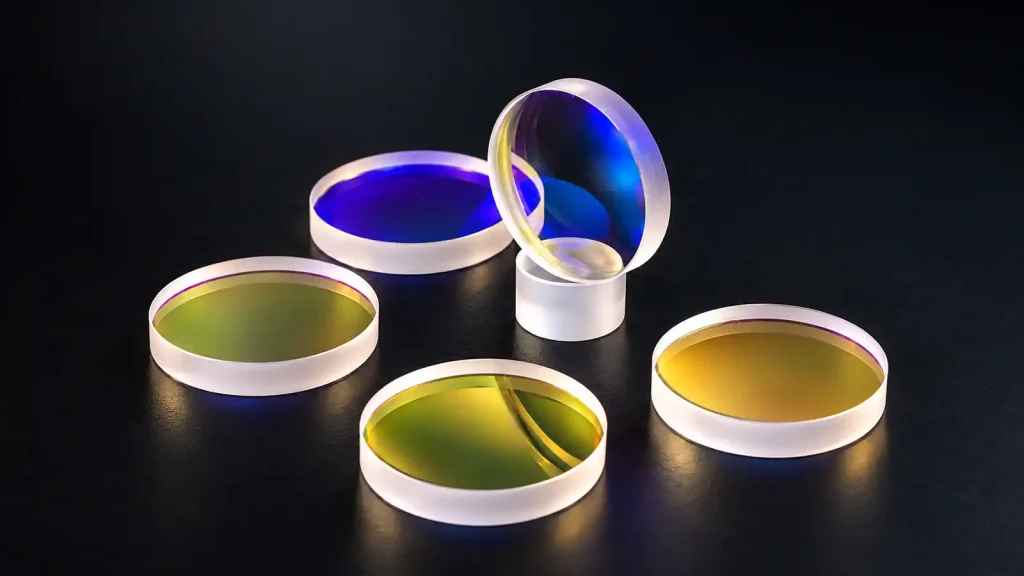
A standard optical lens is made to an established product specification. It is a practical choice when an existing size, geometry and coating already match the application, particularly for repeat purchasing. A custom optical lens is evaluated against requirements outside that existing range, such as different dimensions, a customer drawing or a specific processing or coating requirement. Buyers should start by checking the standard option, then consider custom production where a confirmed requirement remains unmet.
Likai Laser supplies mature standard optical products and evaluates custom optical lens projects from drawings, samples or specifications. For procurement teams and engineers comparing standard and custom optical lenses, the useful starting point is the application and the information already available. A photograph or a familiar product name can begin the discussion, but it does not establish a complete manufacturing specification.
What Are Standard Optical Lenses?
Standard optical lenses use established specifications, so repeat orders do not need to be developed from the beginning. Once the required product has been confirmed, purchasing teams can refer back to that specification when planning further supply. This can reduce development work and make sourcing more straightforward.
The standard optical products shown on the website represent only part of the available range. If a particular lens is needed, send its dimensions, intended use or existing documentation for confirmation. Standard status does not mean every item is held in stock; availability should be checked for the order being discussed.
When Does a Custom Optical Lens Make Sense?
Custom production makes sense when an existing standard lens cannot meet a defined requirement. That may involve non-standard dimensions, a different geometry, a customer drawing, sample-based reproduction, or processing and coating requirements tied to the application.
Identify what must change and what can remain standard. For example, a buyer may have an established physical design but need a different coating reviewed. Custom feasibility should be reviewed before production; a request for a particular feature is not, by itself, confirmation that the project can be manufactured.
Standard vs. Custom Optical Lenses
Standard optical lenses: The starting point is an existing product specification. The buyer checks whether it matches the application and can use that agreed specification for repeat purchasing. Less development work is needed when the existing product already fits.
Custom optical lenses: The starting point is a drawing, sample or specification that needs manufacturing review. Non-standard dimensions and geometry, processing and coating can be considered together. Estimated quantity and feasibility help determine whether the proposed route is practical. Neither route removes the need to agree on the supplied product and its inspection requirements.
Drawings, Samples and Specifications
Drawings communicate dimensions, geometry and critical features. If revisions exist, identify the version that should be reviewed. A marked drawing is useful when only part of an existing design needs to change.
Samples help explain physical structure when documentation is incomplete. State whether a sample is new, used or damaged, and which features should be reproduced. Specifications provide the application, processing and coating requirements that appearance alone cannot communicate.
Complete documentation is not required for an initial inquiry. Send what is available and identify the gaps. Any differences between the drawing, sample and written requirements should be resolved before production is agreed.
Dimensions, Materials and Coating Requirements
A custom lens cannot be evaluated from appearance alone. Provide key dimensions, the intended application, coating requirements and estimated quantity. Include substrate or material information if known; if it is unknown, say so instead of assigning a material from a photograph.
Coating requirements should be evaluated together with the substrate and application. Where an existing specification is available, share it rather than relying on the visible coating color as the requirement. The appropriate process depends on the material, geometry, application and specification. Requirements that remain uncertain should be reviewed before production.
Optical Processing and Coating
Likai Laser can support optical processing, grinding and polishing, cleaning, optical coating and inspection. Where a project requires both lens manufacturing and coating, the two can be evaluated together so the proposed manufacturing route addresses the finished component.
State whether the inquiry concerns a finished coated lens, an uncoated component or coating work on an existing component. These are different scopes of supply. The discussion of optical coating requirements explains the broader coating context; project-specific details still need review against the lens requirements.
Applications for Standard and Custom Optical Lenses
Relevant applications include laser cutting optics, camera lens applications and industrial optical components. The same application may use either a standard lens or a custom component, depending on the optical system and purchasing requirements.
An application name helps explain the context, but it does not identify the required lens. Include the component’s role in the system and any existing product reference. For a replacement, distinguish a request to reproduce the current part from a request to change its design or coating.
What Happens After a Custom Lens Inquiry?
A custom lens inquiry may move through the following stages, depending on the information available and the work required:
Buyer information → Technical review → Manufacturing and coating feasibility → Specification confirmation → Quotation → Sample or production, where applicable.
During review, unresolved dimensions, material, coating scope and critical inspection or appearance requirements need clarification. Differences between a drawing, sample and written requirements should be reconciled before the supply specification is confirmed. Likai Laser’s manufacturing operations provide context for discussing the proposed work.
Some projects need sample evaluation or further technical review before a firm quotation or production decision. Stages may be repeated, combined or reordered. Agree whether sampling is required and how it will be evaluated rather than assuming every custom inquiry follows an identical route.
Why Order Quantity Matters
Standard products suit repeat purchasing against an established specification. For custom optical lenses, quantity affects manufacturing setup, processing and project economics. Very small custom quantities can result in a relatively high unit cost because the preparation work still needs to be carried out.
Provide an estimated quantity and indicate whether it is a single requirement or part of a repeat purchasing plan. This helps determine whether custom production is practical. If the quantity is not yet settled, give the current estimate and explain what remains undecided.
What Should Buyers Provide for a Quote?
- Drawing, if available
- Sample, if available
- Key dimensions
- Material or substrate information, if known
- Intended application
- Coating requirement, if applicable
- Estimated quantity
- Critical inspection, appearance and documentation requirements
If complete technical information is not yet available, send the information currently available and the project can be reviewed from there. Separate confirmed requirements from assumptions or preferences. That distinction helps the review focus on the decisions that still need to be made.
Discuss Your Optical Lens Requirements
Likai Laser supplies mature standard optical lens products and evaluates custom optical manufacturing and coating requirements for industrial customers. An existing standard product is a useful starting point when its specification matches the application.
For a new project, share available drawings, samples, specifications and estimated quantity so the appropriate production approach can be reviewed. The initial inquiry can start with a brief description; detailed technical information can follow by email.