
Optical coating is used in precision lenses, camera-related optics, industrial glass components, laser systems and other optical applications. It applies functional layers to a component’s surface to meet an optical requirement, such as controlling how the surface interacts with light. For a buyer, the starting point is the part’s role in the finished product and the material beneath the coating.
Likai Laser supplies standard optical products and supports custom optical manufacturing and coating projects involving optical lenses, glass, plastic and metal substrates. The approach depends on the application, optical requirements, surface condition and production needs. A useful project brief connects these factors so that feasibility, preparation and inspection can be discussed before an order is agreed.
Why Substrate Material Matters
The substrate is the base material that receives the coating. Its composition and geometry influence cleaning, handling, temperature sensitivity and surface preparation. Two parts with similar dimensions may need different treatment if their materials or existing surfaces differ.
A coating inquiry should therefore identify the component as well as the desired result. These questions provide a practical starting point:
- What is the substrate material?
- What are the dimensions and geometry?
- What is the intended application?
- What coating function is required?
- Is the part standard or custom?
- What is the estimated quantity?
For an existing part, also explain whether it arrives uncoated, already coated or as part of an assembly. This helps establish the scope of work without assuming that a previous coating can simply be removed or replaced.
Optical Coating for Glass
Glass is a common substrate for optical lenses, protective windows, camera optics, laser optics and industrial optical components. The general term “glass” is not a complete material specification. Where available, provide the actual material identification together with the dimensions and a drawing showing the surfaces involved.
Surface preparation and cleanliness matter because coating is applied to the existing surface. Polishing condition, handling marks and residue should be considered during the review. Inspection requirements also need to distinguish the condition of the incoming glass from the requirements for the finished coated part.
An inquiry for a glass window, for example, should identify which surfaces require coating and describe its position in the optical system. This gives the supplier a clearer basis for discussing the coating requirement than dimensions alone.
Optical Coating for Plastic Substrates
Plastic substrates require their own process review. Temperature sensitivity, compatibility with cleaning methods, surface condition and handling can differ from glass and between plastic materials. A process used for one plastic component should not automatically be specified for another.
Share the material information available from the drawing or component supplier, and identify any existing surface treatment. If the part is supplied as a finished component, explain which features must remain unchanged and whether any areas must stay uncoated.
Each project should be evaluated according to the actual material and intended application. Where the material or surface condition is uncertain, the initial discussion can identify what information or sample evaluation is needed before confirming a production approach.
Coating for Metal Substrates
Metal substrates can also be considered for coating according to project requirements. The review depends on the substrate material, surface finish, geometry, cleanliness and intended function. Describe what the coated surface needs to do within the finished component so that the optical requirement is clear.
For a machined part, identify the surface requiring coating and any areas that must remain clear for mounting or assembly. State whether the surface is already finished or whether preparation is part of the requested work.
Coating feasibility cannot be established from a photograph or the label “metal” alone. Requirements are evaluated based on the substrate, application and project specifications, with any unresolved preparation or inspection requirements clarified during review.
Optical Lens and Camera Lens Coating
Precision optical lenses are a common coating application, and Likai Laser supports coating projects for camera lenses. The lens material, dimensions and intended optical application provide the context for selecting and evaluating a coating requirement.
For camera lenses, identify the individual optical element involved and whether the request concerns a new component or an existing part. Include the coating requirements and expected quantity, along with a drawing or sample information where available. A lens used in one camera assembly should not be assumed suitable for a different assembly simply because it looks similar.
Acceptance requirements should be agreed for the specific lens project. A general request for improved optical performance needs to be translated into a defined requirement that can be reviewed before production is confirmed.
Laser Cutting Optics
Laser cutting systems use protective optics, internal optical components and coated lenses. When sourcing these parts, identify the component’s function and the specification required for its position in the system. Physical fit alone is not enough to establish suitability.
For standard laser cutting lenses and other established optical products, a confirmed specification supports repeat purchasing and repeat supply. Reference the approved part or drawing when placing a repeat order, and identify any change in requirements.
Non-standard optics generally need a drawing, sample or technical specification for evaluation. If the original information is incomplete, explain the application and available part details first; suitability should be reviewed before treating a proposed replacement as equivalent.
Standard Products and Custom Coating
Mature standard products are intended for established specifications. They can simplify purchasing when the buyer has already confirmed the required component. Repeat orders should refer to the same agreed specification so that material, geometry and coating requirements remain clear.
Custom coating and custom optical manufacturing begin with a project review. The substrate, drawing or sample, dimensions, application, coating requirement and estimated quantity determine what needs to be evaluated. The review should also establish whether Likai Laser is supplying the complete component or assessing coating for customer-supplied parts.
A custom inquiry is a request to assess feasibility, rather than confirmation that every combination of material and coating can be produced. Any necessary clarification should be resolved before the manufacturing scope is agreed.
Preparing a Substrate for Coating
Likai Laser can support a manufacturing process that connects material preparation, optical processing and coating with inspection and shipment preparation. The sequence for a particular order depends on the component and the agreed scope; an already finished substrate may enter at a later stage.
When a coating project also includes lens manufacturing, the optical lens manufacturing overview explains the possible processing stages. For coating-only work, agree on the incoming surface condition, coated faces and any areas to keep uncoated before a production route is confirmed.
The condition created by earlier operations affects the coating stage, so preparation and inspection belong in the same production discussion. For repeat production, use the agreed material, surface and inspection requirements, and communicate specification changes before the next batch is planned.
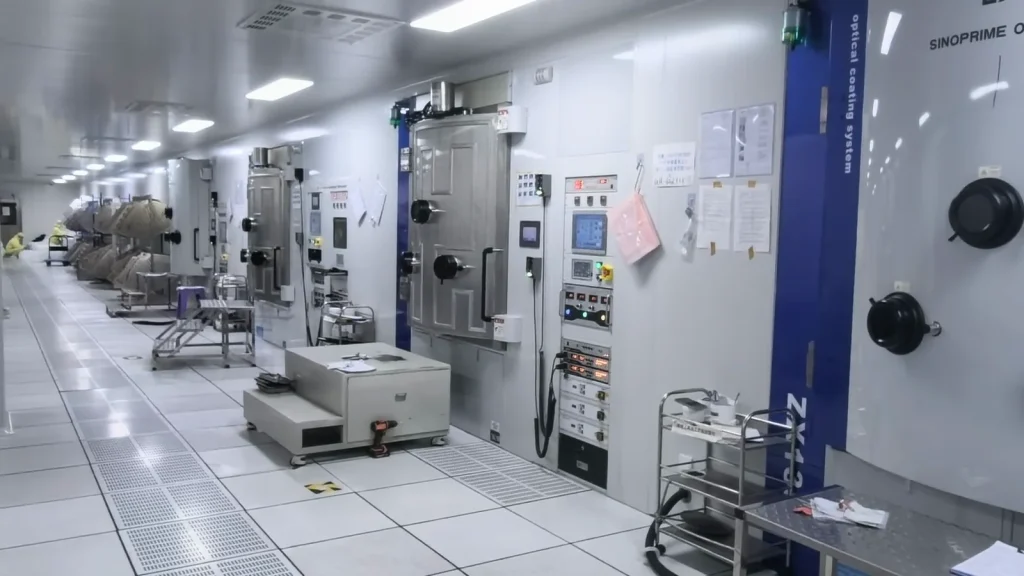
Inside Our Optical Coating Production
What Information Is Needed for a Coating Quote?
An initial inquiry should contain enough information to identify the part and the purpose of the work. Useful details include:
- Substrate material
- Part dimensions
- Drawings or samples
- Intended application
- Coating requirements
- Surface requirements, if available
- Estimated quantity
- Standard or custom requirement
If technical specifications are incomplete, a sample or existing product can help with preliminary evaluation. Describe what is known and what still needs clarification; a sample does not automatically establish every material or performance requirement.
Start with a short inquiry through the Contact page. Drawings and detailed technical documents can be exchanged by email afterward, and any physical sample arrangements can be discussed with the team.
Discuss Your Optical Coating Requirements
Likai Laser supplies standard optical products and supports custom optical manufacturing and coating projects for industrial applications.
If you have optical lenses, glass, plastic or metal components requiring coating, send us your drawings, samples or technical requirements. Our team can review the project and evaluate a suitable manufacturing and coating approach.